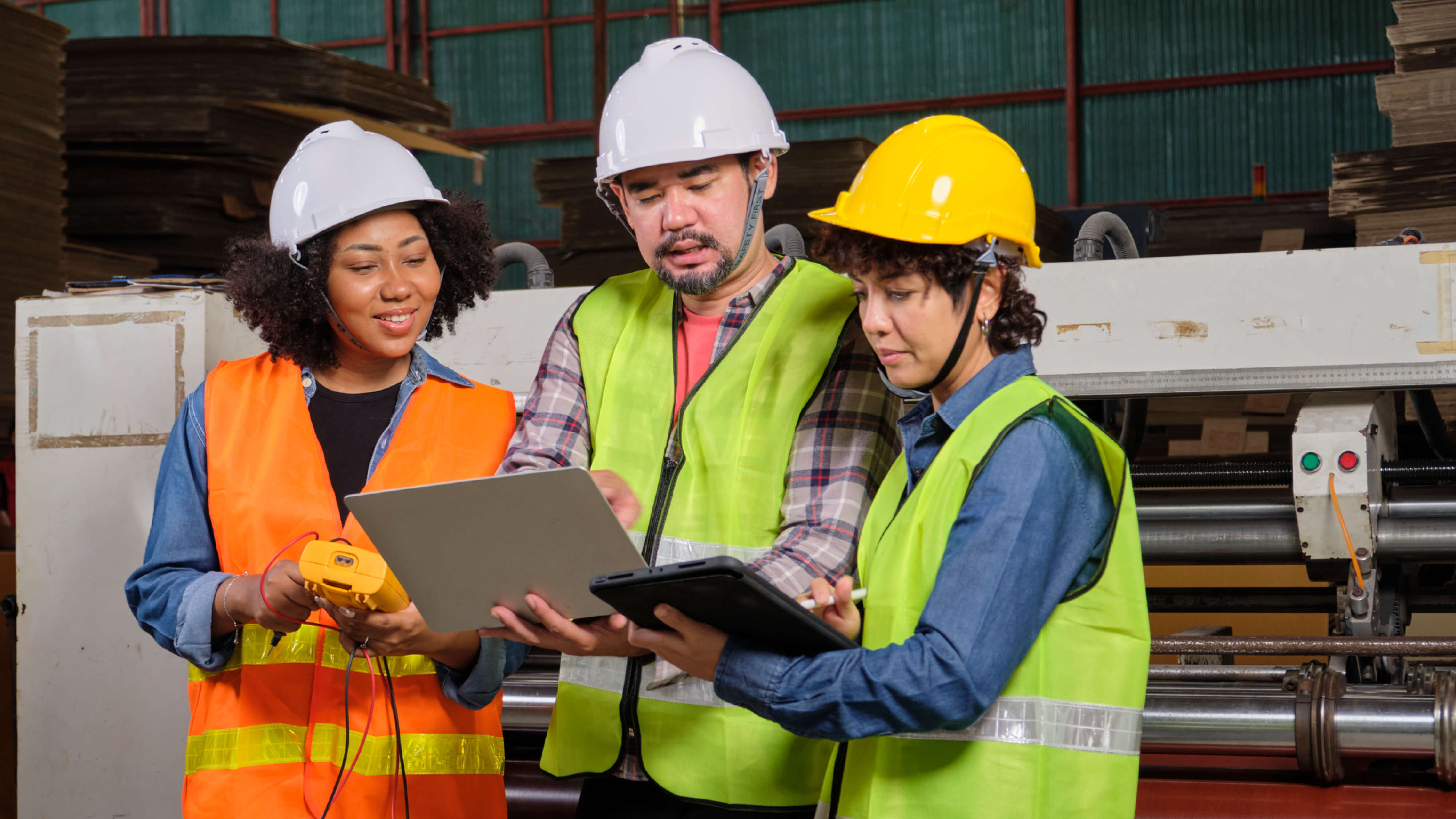
What Winter Sports Injuries Can Teach Us About Workplace Safety
On the heels of the 2026 Winter Olympics in Milano Cortina, there's an interesting parallel between the slopes and the shop floor in injury prevention. Research shows that roughly one in ten Olympic Winter Games competitors sustains an injury, with ski halfpipe and snowboard cross among the riskiest events. Knee, head and ankle injuries are most common – similar to the musculoskeletal strains, falls and collisions seen in industrial workplaces.
Elite athletes and safety-focused organizations share a simple principle: anticipate risk before it becomes an incident. Olympians rely on protective gear, training and pre-competition assessments. Firms use job hazard analyses (JHA), personal protective equipment (PPE) compliance and near-miss reporting. Both benefit most from spotting exposure early.
Technology now enables this proactive approach at scale. Olympic athletes use wearables and sensors to track biomechanics in real time, while AI-powered video analysis captures movement patterns without disrupting performance. In workplaces, similar innovations allow teams to detect hazards, intervene early and prevent serious incidents:
- AI-driven video analytics.
CCTV and camera feeds can be transformed into continuous digital inspections. AI can detect unsafe movements, PPE non-compliance and high-risk behaviours, providing actionable insights for coaching and verification. By automating hazard detection across multiple sites simultaneously, organizations can scale their safety oversight without proportionally increasing supervision costs.
- Wearables and connected PPE.
Smart helmets, vests and wristbands can monitor fatigue, heart rate, posture and environmental hazards such as heat, cold or toxic exposure. Real-time alerts enable workers and supervisors to adjust activity or pause operations before incidents occur, reducing the risk of overexertion and strain injuries. The aggregated data also help safety teams identify systemic patterns and high-risk shifts or roles that require targeted intervention. - Predictive analytics.
Combine operational and safety data with leading indicators to anticipate where serious incidents are most likely, turning insights into actionable interventions rather than reactive investigations. Machine learning models can identify correlations between production pressures, staffing levels and incident likelihood, enabling proactive resource allocation during high-risk periods.
The key lesson from the Winter Olympics is not that risk can be eliminated, but that continuous feedback and fast coaching loops reduce exposure. For workplaces, relevant technologies enable teams to detect hazards in real time, gaining the risk visibility needed to correct behaviours faster and prevent serious harm.
For more insights into the EHS technologies available for workplace safety, please read Tech Roadmap EHS Technologies (2025). If you are a qualifying corporate practitioner, be sure to sign up for free access through our Vantage platform to explore more research on EHS digital tools and AI in EHS software.
About The Author

April Choy
Industry Analyst