Honey, I Shrunk OSHA: Will The Administration’s Latest Appointment Reverse The Trend?
On October 2 2025, David Keeling, Assistant Secretary of Labor for Occupational Safety and Health – and former Amazon and UPS safety executive – was confirmed as the next head of OSHA. The appointment was made as over 70% of OSHA’s employees remained on furlough, following the government shutdown.
Furlough is only a small part of the story: OSHA, along with several other federal agencies that deal with workplace safety – including the EPA, the MSHA and NIOSH – have received significantly less funding since President Trump’s appointment. These trends mimic spending patterns witnessed during Trump’s first administration.
Over the decades, OSHA has shrunk, decreasing by 44% from approximately 3,000 staff in 1980, to just 1,664 today. In that time, the number of inspectors has fallen significantly, from some 15 per million workers in 1980 to 6 per million today. As budgets are further curtailed, this ratio is likely to continue to decline.
At his confirmation hearing, David Keeling outlined three main objectives for his tenure at OSHA: increasing the use of technology and predictive analytics for regulatory oversight and rulemaking; extending collaboration between professional groups and firms; and leveraging predictive analytics to prevent incidents from occurring.
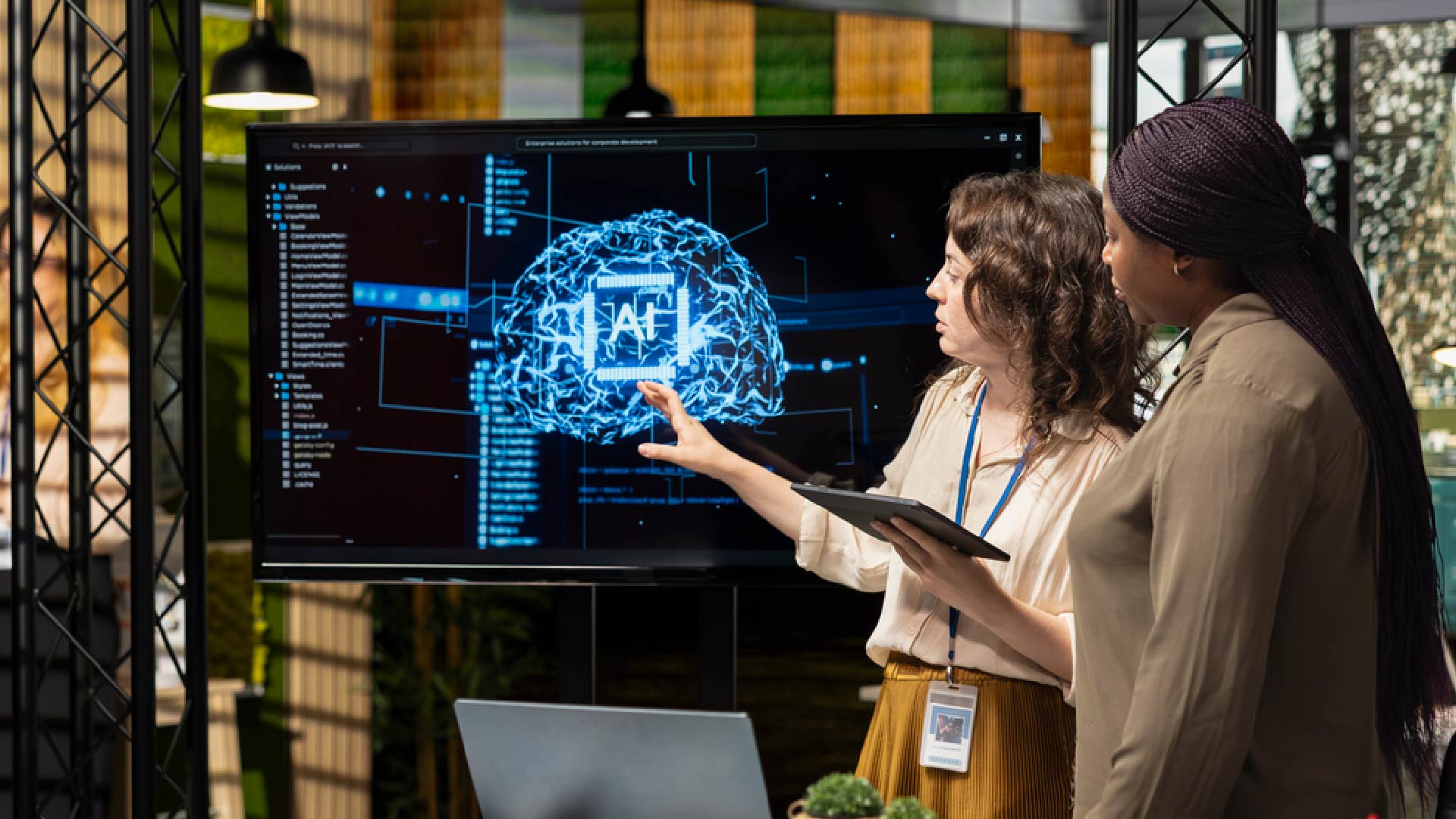
According to the ‘EHS Today’ 2025 National Safety & Salary Survey, respondents feel that OSHA focuses on outdated standards that fail to reflect modern work environments, which leverage a host of technologies to centralize data and streamline processes. Keeling’s appetite for technology is reflective of wider developments in EHS functions, which have not only introduced EHS software, but embraced emerging technologies such as AI and ML to identify incident trends.
One example is the use of computer vision, which leverages ML to analyse video footage, to detect unsafe behaviours and non-conformances. This can range from identifying whether a worker has entered an unsafe zone, to checking whether they are wearing the correct PPE. Computer vision can also detect ergonomic risk, continuously monitoring a worker’s posture and motion, and notifying supervisors if lifting positions or bending angles become vulnerable to injury.
EHS functions have also leveraged exciting technologies to streamline regulatory compliance. Industries with complex EHS needs tend to be highly regulated, and it can be difficult for firms to identify the precise regulations that apply to them. Using web-scraping tools across a plethora of scientific journals, AI can deconstruct permits into actionable items and predict the chance of legislation being enacted. Such tools help EHS functions keep pace with rapidly changing regulation, by automating manual tasks and relocating valuable time and resources towards more high-value activities, such as data analysis.
EHS continues to be affected by significant levels of federal deregulation in the US, placing government agencies such as OSHA under strain. The goals laid out David Keeling provide some hope for progress into the modern era, with a stronger emphasis on technology and preventative measures. To read more about EHS-based technologies facilitating proactive safety, visit the Verdantix research portal; for the chance to hear from and network with EHS professionals across industries, attend our upcoming Transform Summit.
About The Author

Zain Idris
Industry Analyst