Heatwaves Are Redefining Workplace Safety Risk
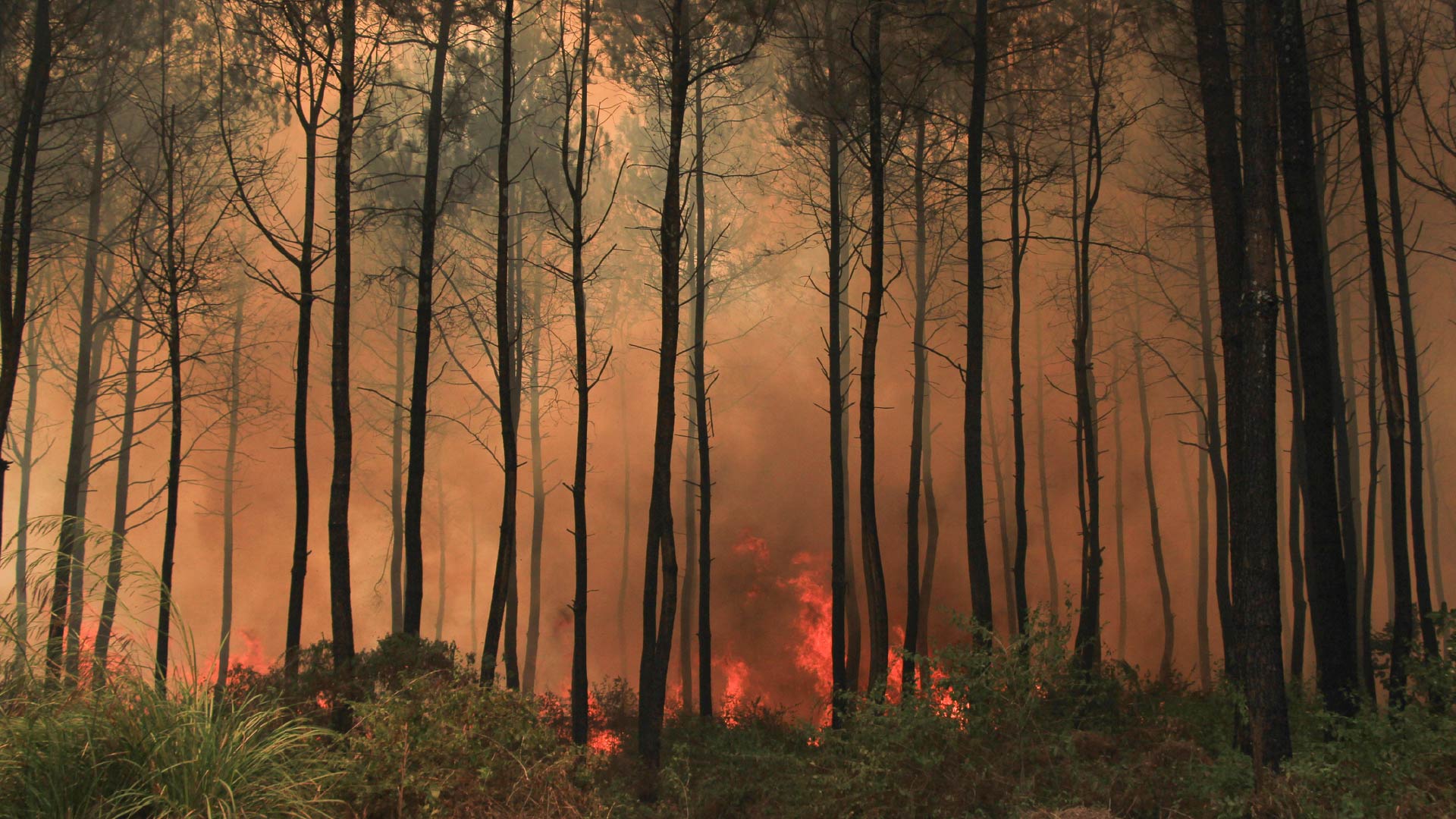
Heatwaves are rapidly shifting from a seasonal inconvenience to a material occupational safety risk. Recent hot spells in London and wider parts of the UK this June, alongside extreme temperature events in Southern Europe, the US and parts of Asia, highlight a broader global trend: heatwaves are becoming more frequent, more intense and more disruptive to workforces.
Outdoor workers in the construction, utilities and logistics sectors remain the most exposed. Prolonged physical activity under direct sunlight, often in PPE, increases the likelihood of heat stress, dehydration and heat exhaustion. The economic impact of heat stress in the workplace is expected to soar to $2.5 trillion in lost worktime by 2030. As climate change patterns shift, what were once occasional peak temperature days are increasingly becoming sustained periods of elevated risk, challenging traditional assumptions embedded in safety planning and project scheduling.
However, the risk is not confined to outdoor environments. Indoor workers in manufacturing plants, warehouses and production facilities are also vulnerable, particularly where ventilation is limited or machinery generates additional heat. These environments can quickly exceed safe thermal comfort thresholds during periods of peak summer demand, creating cumulative exposure risks that are often under-identified in existing EHS frameworks.
The consequences of heat exposure extend beyond discomfort and productivity losses. Heat stress can impair concentration, decision-making and reaction times, increasing the chance of workplace incidents and injuries. Common symptoms are dehydration, dizziness, fatigue, headaches and muscle cramps, while severe cases can progress to heat exhaustion or life-threatening heat stroke. For workers operating heavy machinery, driving vehicles or performing safety-critical tasks, even mild heat-related impairment can significantly heighten operational and safety risks.
Regulatory expectations around occupational heat exposure are also evolving. In April 2026, OSHA issued updated enforcement guidance emphasizing proactive heat hazard identification, environmental monitoring, acclimatization programmes, worker training and emergency response planning. As heat-related risks intensify, organizations are beginning to adopt more structured and data-driven approaches to heat stress management to strengthen both compliance and workforce resilience. These encompass real-time heat stress monitoring, proactive hydration policies, dynamic shift adjustments and targeted worker training. Increasingly, firms are embedding these controls into broader EHS and operational risk strategies, rather than treating them as seasonal add-ons.
Technology is playing a growing enabling role. Wearable sensors can track core body temperature, heart rate and exertion levels, while environmental monitoring systems provide real-time visibility of on-site conditions. When integrated into EHS platforms and critical management workflows, these data support earlier intervention, more adaptable workforce planning and improved duty of care outcomes. As heatwaves intensify globally, managing thermal risk is becoming a core component of operational resilience, rather than a peripheral safety concern.
To learn more about how AI and digital technologies are transforming workplace safety and occupational health management, read Verdantix Smart Innovators: Occupational Health Software (2025) and Verdantix AI Applied Radar: AI Applied To Safety Management.
About The Author

Entesar Khalil
Industry Analyst
.jpg?Status=Master&sfvrsn=43f8a4f6_1)