Artemis II Lifts Off At Last
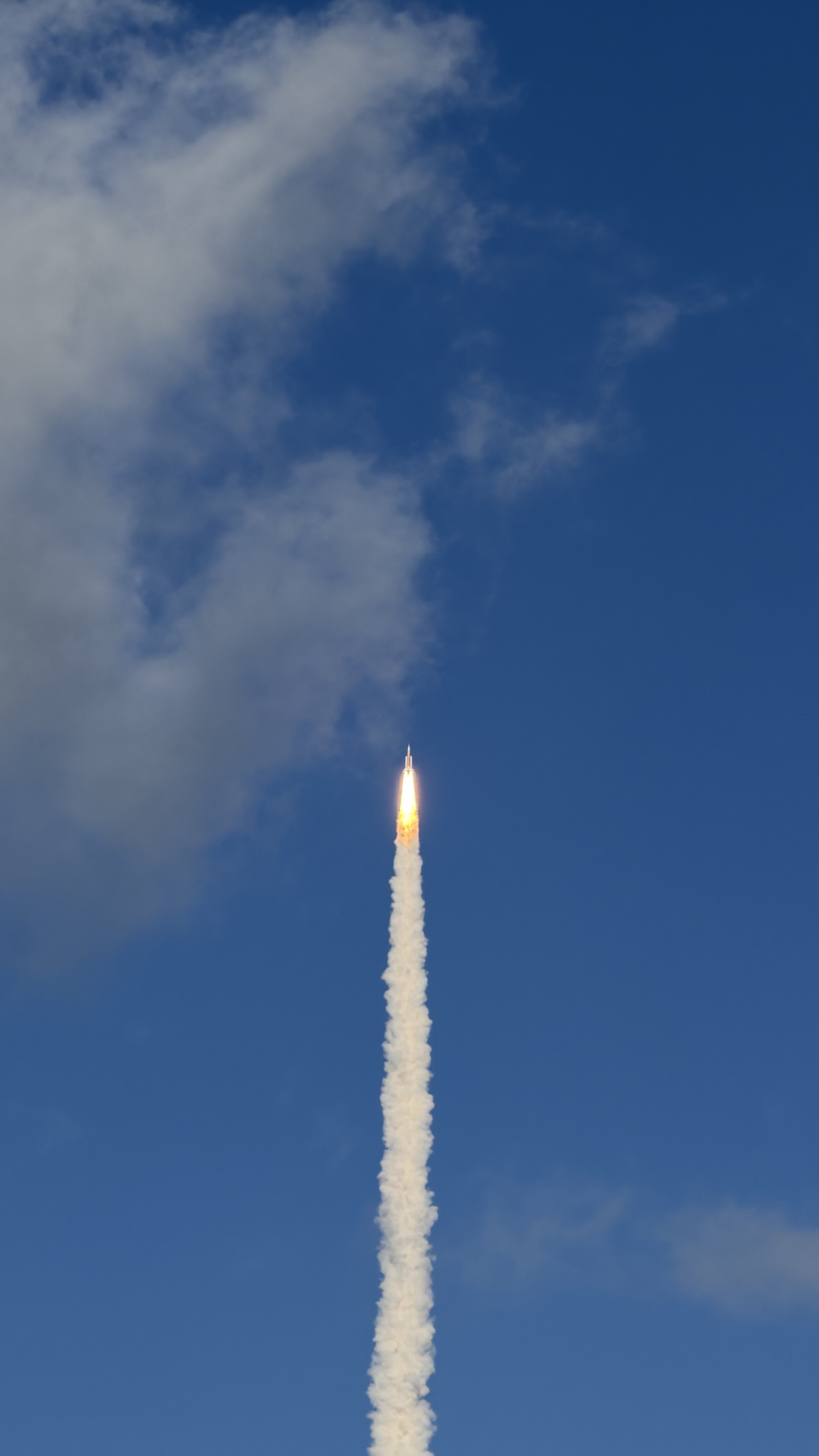
Artemis II finally achieved lift-off on April 1st at 6:35pm ET. It wasn’t a straight run by any means. If you’ve spent any time on a plant floor, the delays probably felt a bit too familiar. First, a hydrogen leak cut a rehearsal short. Then, just as confidence for a March launch was peaking, a helium flow fault forced the team to stand down again.
That’s the reality of reliability. You set the conditions, the system pushes back, and suddenly the schedule isn't yours anymore.
In attempting to tackle this, most industrial firms are trying to make the same jump as NASA: moving from reactive firefighting to high-level predictive success. But as we saw with the space launch system (SLS) rocket, you can’t skip the groundwork:
- Trust the telemetry.
NASA rolled the rocket back to the vehicle assembly building (VAB) because it wouldn't move until the data made sense. You see the same instinct across industrial reliability. Teams want a feel for how their equipment behaves, how stable the signals are and whether the picture makes sense before backing anything new. - Mind the predictive gap.
Everyone wants predictive maintenance, but the real barrier is confidence in the whole AI setup, not just the alerts. Firms worry they don’t have the in‑house knowledge to run or sustain AI analytics, teams struggle to justify the ROI to leadership, and a lot of existing tech stacks simply aren’t built to carry AI in any meaningful way. Those pressures slow adoption far more than the models themselves, and it’s why teams take their time before trusting a prediction. - Prioritize agility over fragility: Ambition sets the direction, but the system sets the schedule. The real win for Artemis II wasn't just the launch; it was the team’s ability to adapt to the faults without compromising the mission.
Building a resilient foundation
Reliability moves in steps. You get your maintenance in check, you tighten up the workflows that keep everything moving, and you make sure the information you use every day is something you actually trust. Once that structure holds, new tech stops feeling like a gamble and starts feeling like the natural next step. NASA is taking that same step-by-step approach now. Artemis III won’t head for the lunar surface; it will shift to in‑space tests instead. Meanwhile, Artemis IV is lined up as the first landing attempt in 2028. Bigger goals always lie ahead, but they only work if the foundation underneath them is ready to take the weight.
If you want to move your operations past the stop-start pattern that slows most plants down, keep an eye on our upcoming Industrial Agility resources – more are landing soon that will dig into how firms build systems that bend without breaking. In the meantime, you can explore the wider research landscape on the Verdantix Vantage platform.
About The Author

Oliver Bridges
Analyst