Global Real Estate Asset Managers & Capital Project Managers Survey 2026: Business Strategies & Technology Investment Priorities
Access this research
Access all Real Estate Leaders content with a strategic subscription or buy this single report
Need help or have a question about this report? Contact us for assistance
Executive Summary
Verdantix interviewed 150 senior real estate asset managers and capital project decision-makers to better understand their business strategies, priorities and technology investment plans in 2026 and beyond. Technology and service providers can use this report to uncover the market direction, emerging areas of interest and spending plans of these decision-makers and managers. The survey reveals that strategic priorities have rebalanced as the market matures into its next cycle. Exit strategy, operations influence and ESG reporting are all rising sharply in importance, while geopolitical tension has emerged as the dominant perceived risk. Technology investment intent is concentrated in three areas: digital twins for capital project execution; building information modelling (BIM) for portfolio investment workflows; and AI applications for predictive asset valuations.
Figure 1. Breakdown of respondents by role
Figure 2. Breakdown of respondents by activity
Figure 3. Breakdown of respondents by region
Figure 4. Breakdown of building ownership and project management relationships
Figure 5. Size of real estate portfolios under management
Figure 6. Property asset types under management
Figure 7. Priority initiatives for the next 12 months
Figure 8. Priority projects for the next 12 months
Figure 9. Factors presenting opportunities and risks for the next 12 months
Figure 10. Smart building technology attitudes
Figure 11. Recommended portfolio actions over the next two years
Figure 12. Asset management and capital project firm breakdown by data management strategy
Figure 13. Real estate and capital project processes technology stack
Figure 14. Software plans for real estate investment and project delivery phases over the next 12 months
Figure 15. Plans for portfolio management software use cases over the next 12 months
Figure 16. Plans for capital project management software use cases over the next 12 months
Figure 17. Planned software spending increases over the next 12 months
Figure 18. Current and planned use of emerging technologies in asset management practices
About the Authors

Joy Trinquet
Principal Analyst
Joy is a Principal Analyst at Verdantix, specializing in real estate, facilities and workplace technology, with a particular focus on integrated workplace management systems/c...
View Profile
Claire Stephens
Research Director
Claire Stephens is a Research Director at Verdantix, leading research into technologies and services shaping the real estate and the built environment, encompassing ...
View ProfileOther related content

Building and facilities maintenance teams are under pressure to improve operational efficiency, control costs and keep buildings running smoothly. Yet fragmented systems, disconnec...

Upcoming / 02 December, 2026

Agentic AI has become the label of choice for real estate software vendors, but Verdantix finds that genuine agentic capability delivers value in a far narrower band than roadmaps ...
15 October, 2026

For CRE investors, the plan was to wait for cheaper money. That plan just expired. In our previous blog regarding the US commercial real estate market’s maturity wall in June 202...
06 October, 2026
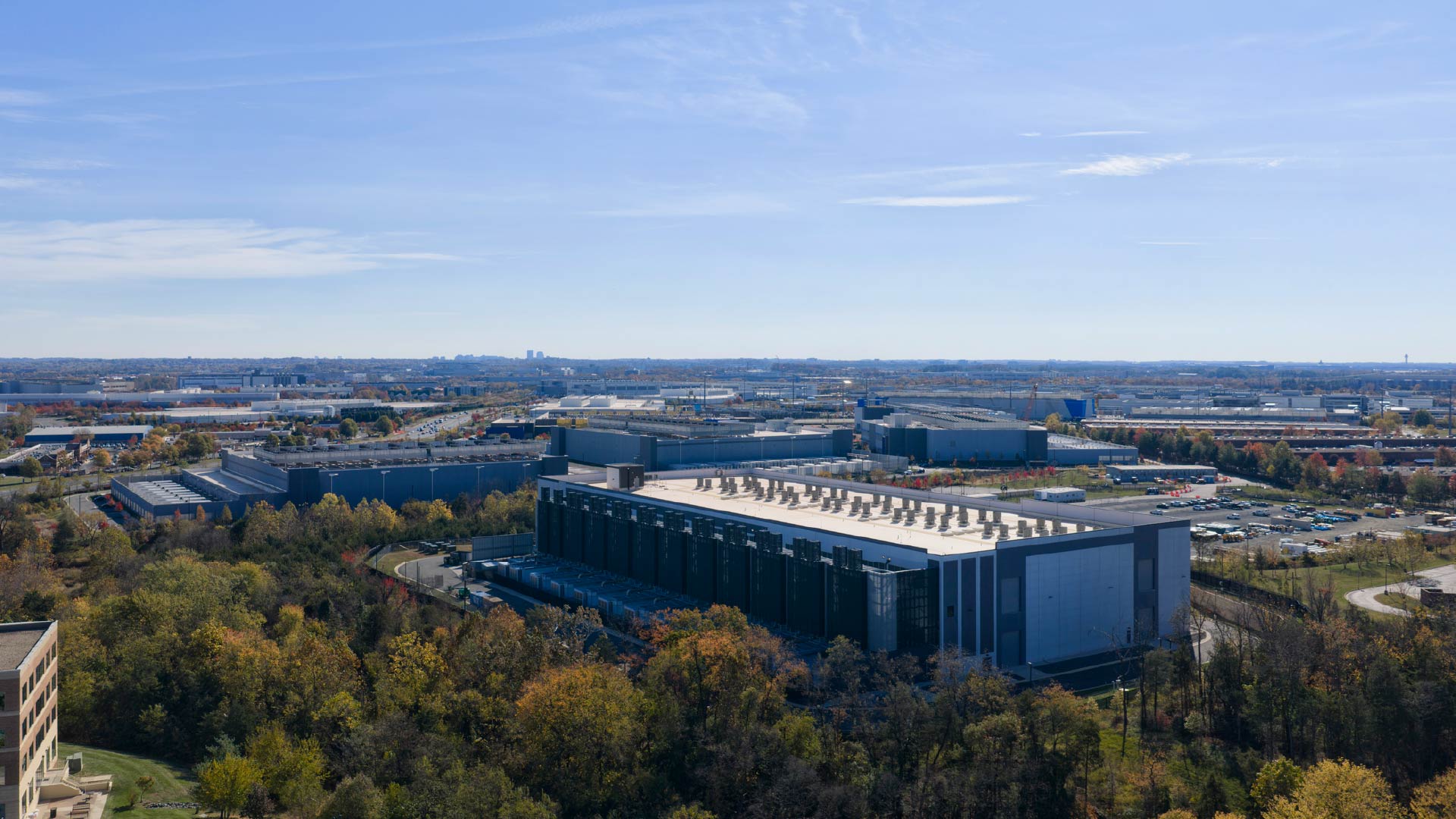
For REIT investors, it depends. And what it depends on is changing fast. Data centres have become one of commercial real estate's biggest growth stories in the US. But as they beco...
05 October, 2026

Join Verdantix and Nakisa for a practical discussion on how IWMS is evolving in the era of AI. We’ll explore how organizations are re-evaluating legacy platforms, where near-term ...
13 October, 2026