What Can Mining Firms Learn From China’s Deadly Coal Mine Explosion?
On May 22, 2026, an explosion at the Liushenyu Coal Mine in China’s Shanxi province killed at least 82 people. Early reports pointed to dangerous gas concentrations, including carbon monoxide, while rescue efforts were complicated by inaccessible areas and mine plans that did not match underground conditions.
Coal mining has a long record of high-consequence disasters. Methane and coal dust explosions, collapse, and flooding have repeatedly shown what happens when ventilation is inadequate, enforcement is inconsistent, emergency preparedness is weak, or production pressure erodes critical controls. Safety performance has improved in parts of the industry: MSHA reported that the US mining all-injury rate fell to a historic low of 1.74 per 200,000 hours worked in 2025, down from 1.82 in 2024. However, deep underground operations continue to concentrate acute operational and geotechnical hazards, and recent incidents underline how quickly conditions can escalate when control and visibility break down.
So, what does ‘better control’ really look like for EHS buyers operating in remote, low-connectivity and high-risk environments? The most consistent gap is not awareness of hazards, but the ability to detect change early, escalate clearly and act fast when abnormal conditions appear. Here are three practical technology categories that can strengthen prevention at the point of risk:
- Remote inspection and situational awareness.
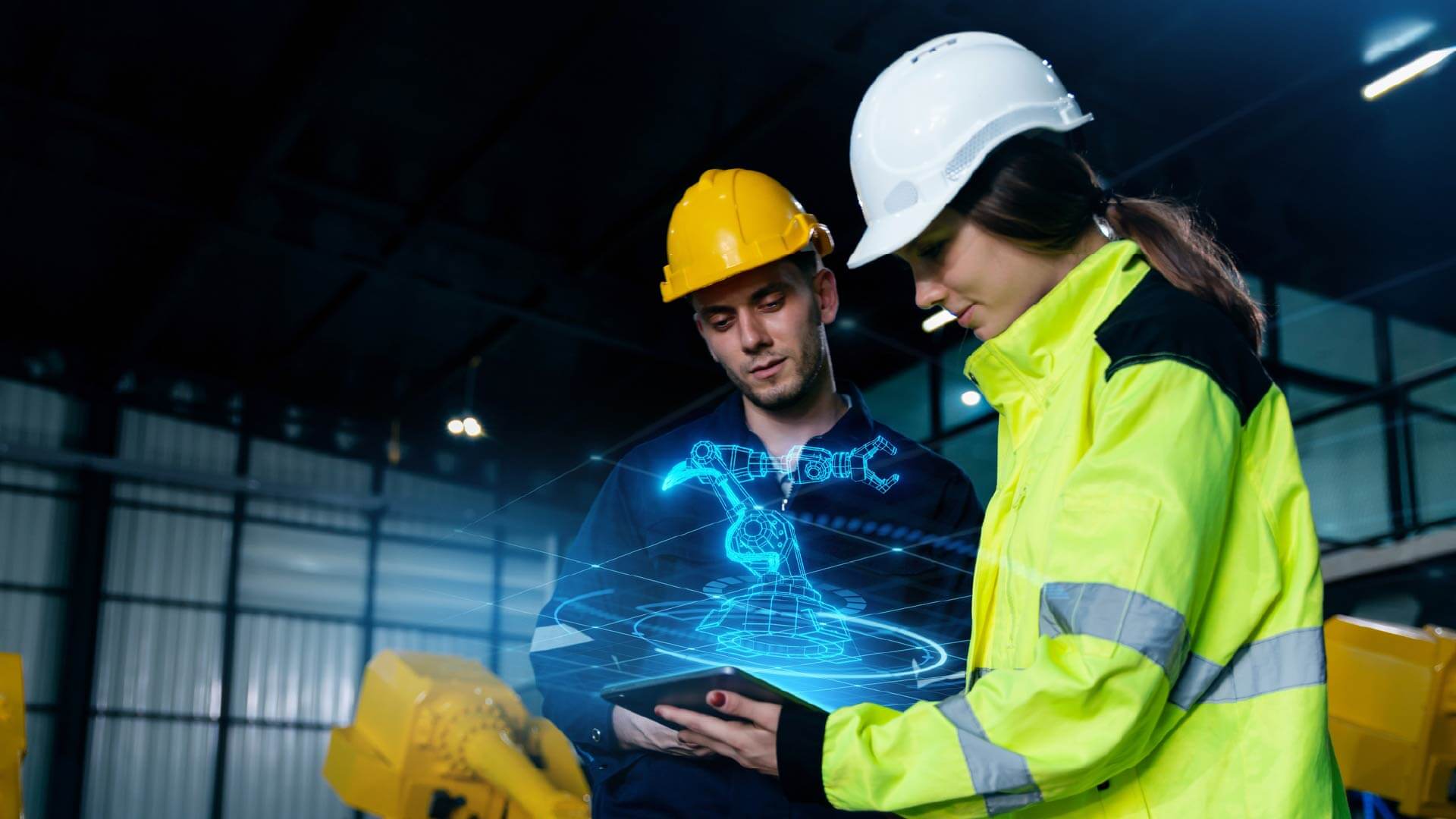
Autonomous robots can be deployed for inspection tasks to reduce human presence in hazardous areas and support safer re-entry decisions. Anglo American’s Amandelbult mine has used Boston Dynamics’s Spot for underground inspections, combined with an Emesent Hovermap payload to enable detailed 3D reconstruction without sending people into unstable zones. UAVs equipped with multi-sensors can support inspection and monitoring in surface and quarry environments, including hazard identification and pre- and post-event assessments. - Smart sensing for earlier intervention.
Smart sensors can continuously monitor factors such as air quality, equipment condition and indicators of instability, helping sites move from periodic checks to continuous detection with clearer thresholds for escalation. Ground-penetrating radar can support sub-surface imaging to strengthen on-site decision-making. - Workforce readiness and emergency control.
Training simulators can reduce error in high-risk tasks by letting workers rehearse scenarios and emergency responses before entering the mine. Location-enabled wearables and smart helmets can strengthen lone worker protection and emergency accountability through SOS escalation, voice communication and location tracking. These tools also enable monitoring for hazards such as gas, temperature, noise and impact.
For further detail on technology options and where they fit in mining risk scenarios, please read Strategic Focus: 5 Powerful EHS Technologies For Mining Firms or explore related reports on Vantage.
About The Author

April Choy
Industry Analyst

.jpg?Status=Master&sfvrsn=7785ea0f_1)